How to Grow Website Reputation in Google Search – How to Earn Trust in Google Search!
You can build reputation in a Google search by creating useful content, demonstrating real expertise, making your site authoritative, enhancing user...

You can build reputation in a Google search by creating useful content, demonstrating real expertise, making your site authoritative, enhancing user experience, and gaining relevant backlinks, brand mentions as time passes. Google does not want content created to serve a purpose of manipulating the rankings, but rather content created to benefit people.
What Website Reputation Means in Google Search
Google search cannot be judged by the mere appearance of a domain in web resources. It concerns the level of trust, utility and reliability that your site feels through its various content, technical quality, and brand presence in general.

Most of the site owners believe that Google's trust is based on backlinks. The existence of backlinks is necessary, yet it is not the only element of the image. Google considers the usefulness of your pages, the ease of use of your site, the ability to comprehend the content made by people, and how confident people are in your brand. The systems at Google place a priority on useful and reliable information generated to serve the benefit of the people.
Consistency is the way to build a website's reputation. Provided that your location is active in publishing high quality content, updating information, and avoiding manipulative strategies, your reputation will build up with time.
How Google Evaluates Trust, Quality, and Relevance
E-E-A-T and why it matters
The concepts of Experience, Expertise, Authoritativeness, and Trustworthiness are the concepts employed by Google to clarify how a good piece of content should be. It is not a single ranking factor in the literal meaning of the word, but it is a good model that can be used to explain what Google would like to reward. The documentation of Google provides a creative approach that asks creators to consider those who make the content, the way it is made, as well as the purpose of its existence.
This is important in that the search results contain numerous pages that are similar. By making it clear in your content that you have real experience, original insight, and practical value, it becomes easier to make users and search systems regard it as credible content.
Why Google looks at pages, not just domains
to make the entire site trusted and a poor page may not rank in an established domain. Google guidance of page experience also tells that most of the assessments are page-specific, although there could be some site-wide signals.
This is the reason why all your valuable pages should be regarded as assets on your site. Your home page, service pages, blog posts and landing pages must all be useful in their respective way.
The role of helpful content and trust signals
Google’s systems want to show results that leave the user satisfied. That means a page should answer the question clearly, solve the problem, and feel trustworthy. Trust signals such as author details, accurate dates, clear contact information, secure browsing, and relevant citations all support that goal.
Publish Content That Deserves to Rank

Create people first content, not search engine first content.
This is the foundation. To increase the reputation of the websites in Google Search, you should not keep writing pages just to insert keywords. Write for the reader first. Google actually states that its systems are constructed in such a way that they reward useful, reliable, people first content.
That implies that your article ought to do something valuable. It is to respond to real questions, to make sense of the situation, and guide the reader towards another step. A page with little to say and repeating the same points using different words will not be a page that creates a lot of reputation.
Show first hand experience and real expertise
This is where many websites fall behind. They publish articles that sound polished, but they do not feel real. If your content comes from actual experience, case work, campaigns, audits, testing, or client results, it instantly becomes more trustworthy.
Readers can usually tell when an article is written by someone who has done the work. That is why examples, insights, and practical lessons matter so much.
Cover topics in depth instead of publishing thin pages
Thin pages hurt reputation because they leave users unsatisfied. Instead of publishing ten weak articles on related ideas, it is often better to publish fewer but more complete pages. Topic depth signals seriousness. It also helps users stay on your site longer because they find more value in one place.
Keep important pages updated with accurate dates
Content that was strong two years ago may now feel outdated. Google recommends making published and updated dates clear and consistent when freshness matters.
For SEO topics especially, this is very important. Search changes. Tools change. Best practices change. If your article still gives advice from years ago without updates, it weakens trust.
Make It Clear Who Created Your Content
Add author bios and credentials
When readers are aware of the author of the content, people trust it. Google also suggests offering authorship information in the areas the readers would anticipate it.
There is a lot that a short author bio can accomplish. It reveals experience, qualifications, industry experience or the type of work that the author performs. This can be particularly useful in the case of SEO, finance, health, legal and advisory source material.
Use bylines and updated dates properly
A byline adds clarity. An updated date adds confidence. Together, they tell readers that a real person wrote the piece and that the information is being maintained.
Build strong About, Contact, and editorial pages
These pages matter more than many site owners think. A weak About page, no business details, or no visible contact method can make a site feel less trustworthy. A clear About page and a real Contact page help support reputation because they show the business behind the content is genuine.
Build Authority With High Quality Backlinks and Mentions

Why relevant backlinks matter more than random high DA links
Not all links help equally. A relevant backlink from a trusted site in your niche is usually far more valuable than a random link from an unrelated site with inflated metrics.
This is where many websites make mistakes. They chase quantity. Google’s broader spam guidance makes it clear that manipulative tactics and low value link driven publishing are risky and unhelpful in the long run.
Digital PR, expert mentions, and brand citations
Brand mentions, media coverage, expert quotes, interviews, and digital PR all strengthen reputation. Even when every mention is not a perfect backlink, they still help build authority around your brand and make your website look more established.
Why brand searches and branded mentions strengthen trust
When more people know your brand, search for your name, and talk about your website, that builds real credibility. Google wants to rank sources that appear useful and trusted in the real world, not only sites that are good at technical optimization.
Improve User Experience Across the Site
Mobile friendly design
A site that feels frustrating on mobile loses trust quickly. This matters because mobile traffic is now slightly ahead of desktop worldwide, with Statcounter reporting 52.48 percent mobile use versus 47.52 percent desktop in February 2026.
So if your content is hard to read on a phone, your menus break, or your buttons are difficult to tap, that hurts both user satisfaction and reputation.
Core Web Vitals and page speed
Google says Core Web Vitals are used by its ranking systems, though they are not the only thing that matters. Strong scores support a better experience, and better experience supports stronger performance when many pages are similarly relevant.
HTTPS, intrusive ads, and clean layouts
Google’s page experience guidance highlights secure browsing and avoiding intrusive interstitials. If your site feels unsafe or distracting, trust drops.
Easy navigation and internal linking
Good navigation helps people and search engines. When users can move naturally from one page to another and find related information easily, your site feels more complete and more professional.
Strengthen Technical SEO to Protect Your Reputation
Indexing, crawlability, and sitemaps
Google Search is fully automated. Most pages are found through crawling, not manual submission. That means your technical setup needs to help Google discover and understand your pages properly.
Fix duplicate pages and broken links
Broken pages, duplicate content issues, redirect chains, and crawl waste all create friction. Even if your content is strong, technical errors can stop it from performing properly.
Use structured data to help Google understand your site
Structured data does not replace quality, but it helps Google understand page context more clearly. It can also improve how certain pages appear in search results when eligible. Google includes structured data in its main SEO guidance because it helps search engines interpret content more effectively.
Monitor Search Console regularly
Search Console helps you spot indexing issues, performance changes, and technical warnings. A site owner who ignores Search Console often misses problems that quietly weaken visibility.
Current Google Updates That Website Owners Should Know
Recent core and Discover updates
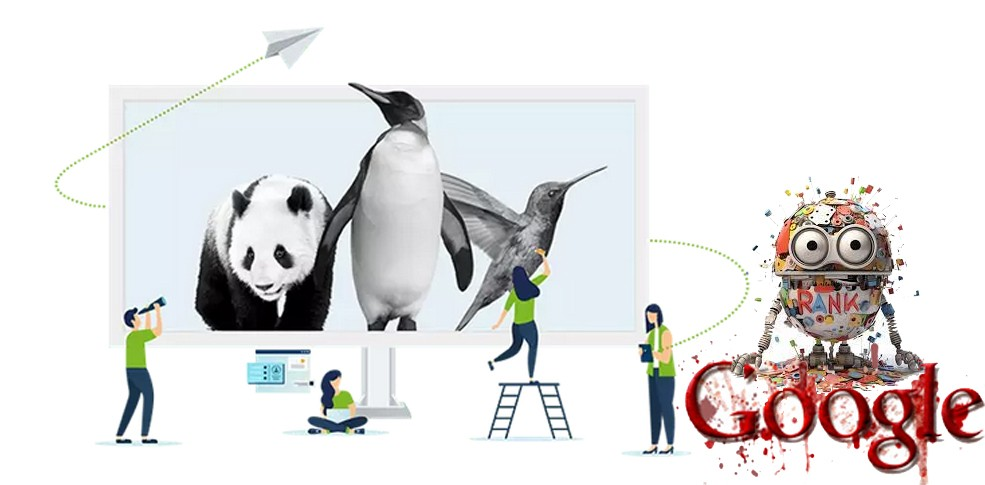
Google continues to make changes to Search and Discover, which means site owners should not depend on old ranking shortcuts. The safest path is still to build useful content and strong site quality over time. Google’s recent documentation and blog content continue pushing this same message.
What Google’s newer spam guidance means for authority sites
Large sites and publishers are not protected if they host weak third party content just to capture rankings. Google’s recent policy direction shows that authority must be earned through quality, not borrowed through placement tricks.
Why Search Console Insights matters now
Google has kept moving site owners toward practical performance analysis tools. If you want to grow reputation, you need to understand what content performs, what pages lose visibility, and where user interest is actually growing.
Common Mistakes That Stop Sites From Becoming Trusted
- One common mistake is publishing too much weak content instead of improving the pages that matter most.
- Another mistake is hiding authorship. If users do not know who wrote the content or who runs the site, trust falls.
- Many websites also ignore technical SEO until traffic drops. That delay can cost them rankings that were easier to protect than recover.
- And finally, some brands chase links without building real authority. Links help most when they support a strong website, not when they are expected to replace one.
Why RankViaLinks Can Help Build Google Trust the Right Way
The increase of the reputation of the site in Google search is not associated with shortcuts. It appropriates useful contents, pertinent indicators of authority, technical clean-up, and a niche-appropriate strategy.
This is where RankViaLinks will help. RankViaLinks can establish itself as an authority site building vendor rather than a link building project. It would be reflected in more effective backlinks on relevant information, more intelligent content support and long term trust indicators that reflect the actual Google way of assessing websites in the present day as well.
Random links cannot give a business profferred better search visibility that is here to stay. It needs reputation. And reputation is created with an appropriate combination of quality, relevance and consistency.
FAQ
1. How long does it take to grow website reputation in Google Search?
It usually takes months, not days. Reputation grows through consistent publishing, technical improvements, better user experience, and relevant authority signals over time.
2. Can a new website build Google trust without many backlinks?
Yes, but it needs strong content, clear trust signals, good technical SEO, and a consistent brand presence. Backlinks help, but they are not the only factor.
3. Do author bios really help SEO?
They help build trust and transparency, especially for content where readers expect to know who wrote it. Google specifically encourages creators to think about who made the content.
4. Does page speed directly improve website reputation?
Page speed alone does not guarantee rankings, but Google says Core Web Vitals are used by ranking systems and better page experience supports search success when content quality is similar.
5. What is the biggest mistake businesses make when trying to build reputation in Google Search?
The biggest mistake is chasing shortcuts. Thin content, spammy links, fake freshness updates, and weak trust pages usually damage long term reputation instead of improving it.
Final Thoughts: Reputation Growth Is a Long Term SEO Asset
Google Search reputation of the site does not increase overnight. It develops as your site gets more convenient, more reliable, and more authoritative each and every month.
Google does not want pages that appear to be optimized. It desires pages that assist actual beings, originated in realms, as well as establishing a fulfilling understanding. When the content quality, authorship, technical SEO, user experience, reviews and any authority related to it are combined, then you have a much better search reputation.
That is the long game. And it is the one that keeps working.
Recommended Articles:
Attracting Backlinks through Content Marketing – Proven Strategies!
How to Get High DA Backlinks for Free: Improve the Ranking of Your Website
How to Get Guest Post Backlinks for Your Website – Not Any Spam
How to Get Backlinks From High Domain Authority Sites – 6 Important Approaches


