In the world of SEO, backlinks are crucial for ranking your website higher on search engines. However, not all backlinks are beneficial. Some can be downright harmful to your rankings. These are known as spammy backlinks, and they can hurt your website’s SEO efforts. But don’t worry, this guide will walk you through how to clean up those toxic backlinks and protect your site’s reputation.
What Are Spammy Backlinks?
Spammy backlinks are links coming from low-quality, irrelevant, or manipulative websites that offer no real value to your content. These links can hurt your site’s credibility in the eyes of search engines like Google, which may lead to a drop in rankings or even penalties.
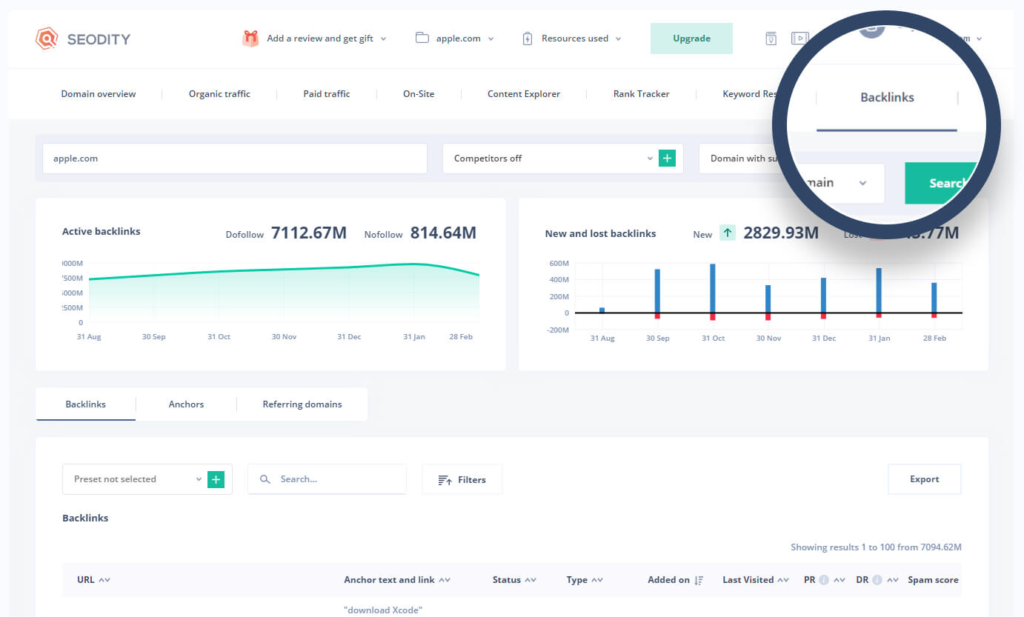
Examples of Spammy Backlinks:
- Links from untrustworthy websites (e.g., spammy blogs, directories, and adult sites).
- Overly optimized anchor text that doesn’t match the content of your page.
- Link farms or excessive directory listings.
- Paid links or links from schemes designed to manipulate search rankings.
Understanding which backlinks are harmful is the first step toward cleaning them up.
How Do Spammy Backlinks Harm Your Site?
While some backlinks are great for SEO, spammy ones can have the opposite effect. Here’s why they should be avoided:
- Search Engine Penalties: Search engines like Google may penalize your site if they detect spammy backlinks. This could result in your site losing rankings or being removed from search results entirely.
- Damage to Reputation: Spammy backlinks can harm your brand’s online reputation. People might associate your website with low-quality sites, which can lead to a loss of trust among users.
- Decreased Traffic: If search engines lower your rankings due to spammy backlinks, you will likely see a significant drop in organic traffic to your website.
- Wasted Link Equity: Spammy backlinks do not pass along any SEO value (link juice). Instead of helping your site, they can dilute the impact of good backlinks you’ve earned.
Step 1: Audit Your Backlink Profile
The first thing you need to do when cleaning up spammy backlinks is to audit your backlink profile. This will help you identify which backlinks are harmful to your site.
Here are some ways you can audit your backlinks:
Tools to Use for Backlink Auditing:
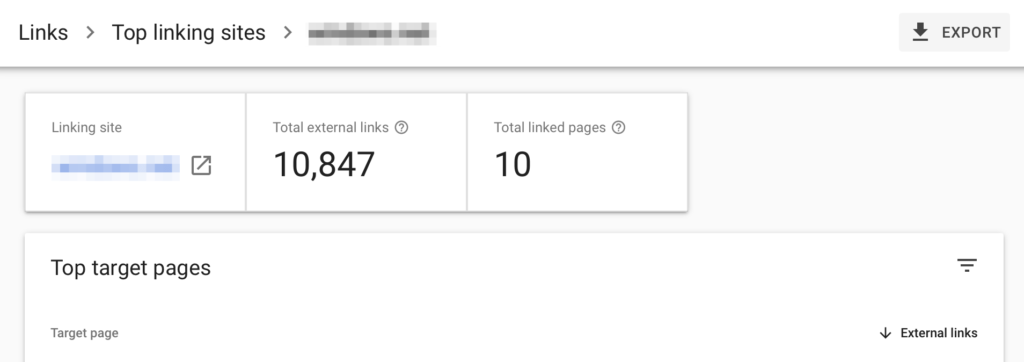
- Google Search Console: This is a free tool that lets you see all the backlinks pointing to your website. Export this data for further analysis.
- Ahrefs: A popular SEO tool that shows you backlinks, their sources, and their quality.
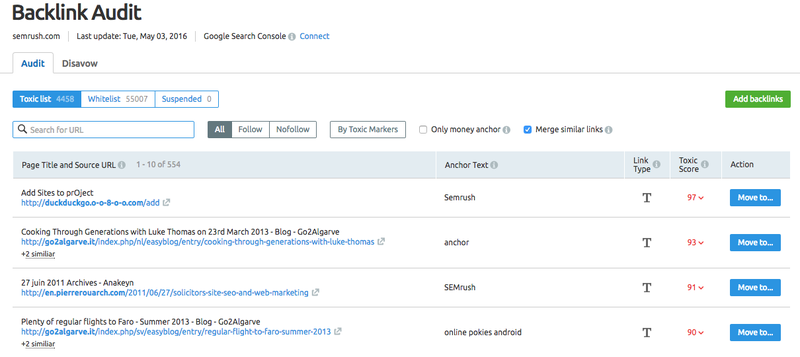
- SEMrush: Similar to Ahrefs, SEMrush provides backlink analysis to help you identify low-quality links.
- Moz: Moz’s Link Explorer tool helps track your backlink profile and discover potentially harmful links.
Once you have all the backlinks, you’ll need to evaluate each one for quality and relevance. Pay attention to spam scores and domain authority to identify links from potentially harmful sources.
Step 2: Identify Spammy Backlinks
After gathering your backlinks, the next step is to identify which ones are spammy. Here’s how you can spot them:
Signs of Spammy Backlinks:
- Low Domain Authority: Links from websites with low domain authority or spammy domains have little to no value.
- Unrelated Niche: If a backlink is coming from a website that is completely unrelated to your niche, it’s likely spammy.
- Over-Optimized Anchor Text: If the anchor text is overly optimized for keywords like “buy shoes online” or “cheap SEO services,” it could indicate spammy practices.
- Links from Link Farms: These are networks of low-quality websites that link to each other to manipulate search rankings.
- Excessive Directories and Forums: While some directories are legitimate, excessive backlinks from directories or forum posts can look unnatural.
Make sure to manually check the quality of each link to ensure it’s not a spammy one.
Step 3: Reach Out to Webmasters to Remove Links
In some cases, you can contact the webmaster of the site that’s linking to you and ask them to remove the link. While this is not always possible, it can help clean up some of your backlink profile.
How to Reach Out:
- Politely ask the webmaster to remove the link.
- Be specific about which link you want removed by providing the exact URL where it’s located.
- Be professional and explain that you are working on improving your site’s SEO, which includes eliminating spammy backlinks.
Keep a record of your outreach efforts and follow up if you don’t receive a response.
Step 4: Disavow Spammy Backlinks
If you can’t get the backlinks removed manually, the next step is to use Google’s Disavow Tool. This tool tells Google to ignore the harmful backlinks and prevents them from negatively affecting your site.
How to Use Google’s Disavow Tool:
- Export your list of spammy backlinks from the tools you used earlier.
- Create a disavow file (a simple text file listing the URLs or domains you want to disavow).
- Submit the file through Google Search Console
.
Important Note: Use the disavow tool only as a last resort. Disavowing links should be done carefully, as it could also affect good links if not done correctly.
Step 5: Monitor Your Backlink Profile Regularly
Once you’ve removed or disavowed spammy backlinks, it’s crucial to monitor your backlink profile regularly. Keeping track of new backlinks and ensuring they are high-quality will help you maintain a healthy SEO profile.
Here’s what you can do:
- Set up Google Alerts for your brand or website name to track new backlinks.
- Run regular backlink audits (monthly or quarterly) to stay ahead of potential issues.
Set up email notifications for any new backlinks that appear on your site. This will help you stay proactive in keeping your backlink profile clean.
How to Prevent Spam Backlinks in the Future
The best way to handle spammy backlinks is to prevent them from happening in the first place. Here are some tips to help you do that:
- Avoid Buying Links: Never buy backlinks from low-quality link farms or shady services.
- Focus on Quality Over Quantity: A few high-quality backlinks are more valuable than hundreds of low-quality ones.
- Create Great Content: When you create valuable, engaging content, people will naturally want to link to it.
- Build Relationships: Instead of trying to acquire backlinks through questionable methods, focus on building relationships with other websites in your niche. This will help you earn high-quality backlinks over time.
Frequently Asked Questions (FAQ)
Q1. What are spammy backlinks?
Spammy backlinks are links from low-quality, irrelevant, or manipulative websites that can hurt your site’s SEO. These links can lead to penalties from search engines like Google.
Q2. How do I know if a backlink is spammy?
Look for signs like low domain authority, irrelevant websites, over-optimized anchor text, and links from directories or link farms.
Q3. How can I remove spammy backlinks?
You can contact the website owners to request the removal of the link. If that’s not possible, use the Google Disavow Tool to tell Google to ignore the link.
Q4. Can spammy backlinks affect my rankings?
Yes, spammy backlinks can lead to a drop in your search engine rankings and may even result in penalties from Google.
Q5. How often should I audit my backlinks?
It’s recommended to audit your backlinks at least once every quarter to ensure you don’t have any spammy links affecting your site.
Start Cleaning Your Backlinks Today!
Cleaning up spammy backlinks is essential for maintaining a healthy SEO profile and ensuring your website ranks well on search engines. If you’re not sure where to start or need expert help in cleaning up your backlinks, RankViaLinks.com is here to assist you.
Contact us today for a comprehensive backlink audit and start improving your site’s SEO today. Don’t let spammy backlinks hold you back!
Conclusion:
Cleaning up spammy backlinks is essential for maintaining your website’s SEO health and avoiding search engine penalties. By regularly auditing your backlink profile, identifying harmful links, and taking the necessary steps to remove or disavow them, you ensure that your site remains credible and competitive in search rankings. Focusing on high-quality backlinks and proactive monitoring will help boost your website’s performance and organic traffic in the long run. At RankViaLinks.com, we’re here to help you protect your website from spammy backlinks and improve your overall SEO strategy.
Recommended Articles:
How to Audit Backlinks for Spam – A Step-by-Step Guide!
Best Alternatives to Buying Backlinks: Why You Shouldn’t Buy Backlinks and What Works Better
How to Index Backlinks Quickly – Simple and Practical Guide!
How to Build Authority Backlinks – A Comprehensive Guide!
How to Fix a Google Penalty Caused by Backlinks-10 steps Guide