How to Increase Website Organic Traffic -11 Proven Strategies for 2026
Studies show that over 53 percent of all website traffic comes from organic search, making it the largest single traffic source for most industries....

Organic traffic is the backbone of long-term online growth. Unlike paid ads, it does not stop when the budget ends. Businesses that rely on search visibility build stronger authority, better trust, and more stable leads over time. Studies show that over 53 percent of all website traffic comes from organic search, making it the largest single traffic source for most industries.
Increasing organic traffic is not about shortcuts. It is about understanding how people search, how Google evaluates pages, and how trust is built across the web. When these elements work together, traffic grows naturally and sustainably.
This guide explains exactly how to increase website organic traffic using proven SEO strategies that continue to work in competitive markets.
Understanding How Organic Traffic Really Grows
Organic traffic grows when search engines see your website as relevant, useful, and trustworthy. Google processes over 8.5 billion searches every day, which means your content competes with millions of other pages for attention.
Search engines rank pages based on three core signals:
- Relevance to the search query
- Quality and depth of content
- Authority and trust of the website
If even one of these areas is weak, growth slows down. Many websites publish content regularly but fail to improve traffic because they ignore technical health or authority building. Others invest in backlinks without fixing on-page or intent issues, which also limits results.
Organic growth works best when SEO is treated as a system rather than isolated tactics.
Start With Data and Set a Clear Baseline
Before improving traffic, you need to understand where your website currently stands. Data removes guesswork and helps prioritize the right actions.
Research shows that over 70 percent of SEO failures happen because performance is not tracked properly. Without a baseline, it is impossible to know which pages are improving and which ones are holding the site back.
Focus on identifying:
- Pages with high impressions but low clicks
- Keywords ranking between positions 8 and 20
- Pages with declining traffic over time
These signals reveal where quick improvements are possible. Improving existing pages often delivers faster results than publishing new ones because the pages already have search visibility.
Build a Keyword Strategy Based on Search Intent
Keywords are not just words. They represent user intent. When content matches intent, rankings and traffic follow.
Data shows that long-tail keywords account for nearly 70 percent of all searches. These queries are more specific, less competitive, and often convert better than broad terms.
Effective keyword planning focuses on intent categories:
- Informational searches focused on learning
- Commercial searches focused on comparison
- Transactional searches focused on action
When content matches the exact reason someone is searching, engagement improves. Higher engagement signals like time on page and lower bounce rates help reinforce rankings.
Avoid chasing only high-volume keywords. Pages targeting realistic, intent-matched queries grow traffic more consistently over time.
Create Content That Deserves to Rank
Search engines reward content that solves problems clearly and completely. Studies show that pages ranking in the top three positions are usually 40 percent longer than lower-ranking pages, but length alone is not enough.

High-performing content focuses on:
- Clear answers early in the page
- Logical structure that is easy to scan
- Practical explanations instead of generic advice
Thin content rarely ranks long term. Each page should have a clear purpose and a defined audience. When users find value, they stay longer, engage more, and are more likely to return.
Content cluster strategy
One of the most effective ways to build authority is through topic clusters. A central pillar page covers the main topic, while supporting articles cover related subtopics. Internal links connect these pages, helping search engines understand topical depth.
Websites using topic clusters often see up to 30 percent faster ranking improvements compared to sites publishing isolated articles.
Optimize On Page SEO Without Overdoing It
On page SEO helps search engines understand your content and helps users decide whether to click. Small improvements here can significantly impact organic traffic.
Strong on page optimization includes:
- Clear and relevant page titles
- Descriptions that match search intent
- Structured headings that guide the reader
- Simple language and short paragraphs
Data shows that pages with optimized titles and descriptions can increase click-through rates by up to 20 percent, even without ranking changes.
Avoid keyword stuffing. Modern search engines understand context and meaning. Content written naturally for users performs better than content written for algorithms.
Improve Click Through Rate to Unlock Hidden Traffic
Ranking alone does not guarantee traffic. If users do not click your result, visibility is wasted.
Studies show that the first organic result gets about 28 percent of clicks, while results below position five receive dramatically fewer clicks. However, pages outside the top three can still gain traffic with better snippets.
Click-through rate improves when:
- Titles promise a clear outcome
- Language matches how users search
- The value of the page is obvious
Even a small improvement in click-through rate can lead to a noticeable traffic increase without creating new content.
Fix Technical SEO Issues That Block Growth
Technical SEO issues quietly damage organic performance. A site can have great content and still struggle if its technical foundations are weak.
Research indicates that over 60 percent of websites have serious technical SEO issues affecting crawlability, speed, or mobile usability.
Key areas to monitor include:
- Page loading speed
- Mobile responsiveness
- Crawl errors and indexation issues
- Clean URL and site structure
Page speed alone has a measurable impact. A one-second delay in load time can reduce conversions by up to 7 percent, and slower sites often experience higher bounce rates, which negatively affects rankings.
Use Internal Linking to Strengthen Important Pages
Internal links help distribute authority across your site and guide users to relevant content. Despite this, many websites underuse internal linking.
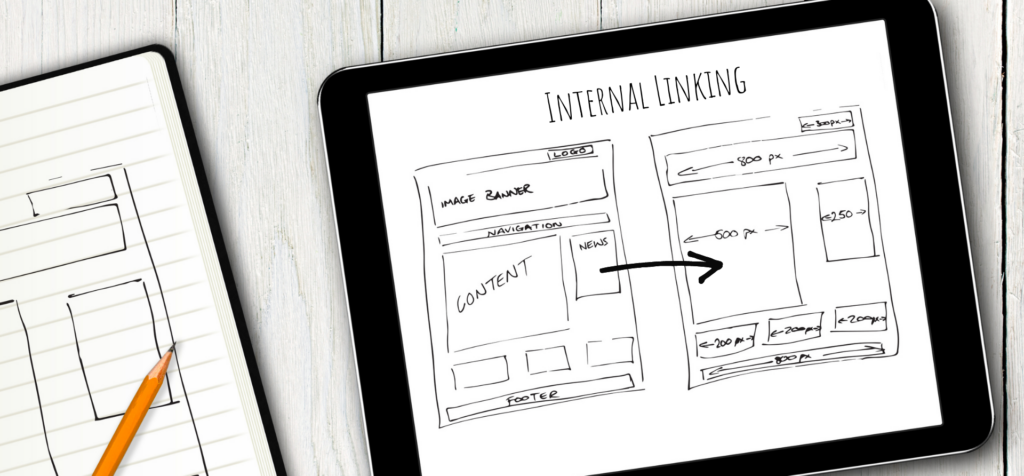
Data shows that pages with strong internal links rank faster and maintain rankings more consistently than isolated pages.
Effective internal linking means:
- Linking from high-traffic pages to priority pages
- Using natural and descriptive anchor text
- Avoiding excessive links in a single section
Internal links are fully under your control, making them one of the safest and most cost-effective SEO improvements.
Build Authority With High Quality Backlinks
Backlinks remain one of the strongest ranking signals. Websites ranking on the first page typically have three to four times more referring domains than lower-ranking competitors.
However, quality matters more than quantity. Low-quality or irrelevant backlinks can slow growth or even trigger ranking drops.
A safe backlink strategy focuses on:
- Relevance to your niche
- Editorial placement within real content
- Natural anchor usage
At RankViaLinks, the emphasis is on building backlinks that support organic growth, not artificial link spikes. Search engines reward consistency and relevance over aggressive link volume.
Refresh Existing Content for Faster Results
Updating old content is one of the fastest ways to increase organic traffic. Search engines favor freshness when it improves accuracy and relevance.
Research shows that content updates can increase organic traffic by up to 40 percent when outdated sections are improved.
Content refresh actions include:
- Expanding thin sections
- Updating statistics and examples
- Improving clarity and structure
- Adding internal links
Older pages already have authority and indexing history, which allows updates to perform faster than new pages.
Promote Content to Support Organic Growth
While organic traffic is unpaid, promotion still matters. Content that receives early attention is more likely to earn links and engagement signals.

Smart promotion includes sharing content where your audience already spends time. This initial exposure increases the chance of mentions, links, and return visits, all of which support organic performance indirectly.
Organic growth accelerates when content distribution and SEO work together instead of operating separately.
A Practical 30 Day Organic Traffic Plan
Below is a realistic framework you can repeat monthly to grow traffic steadily.
- Week one focuses on audits, keyword gaps, and technical fixes
- Week two focuses on improving existing content and building topic depth
- Week three focuses on on-page optimization and click-through rate
- Week four focuses on backlinks, internal linking, and promotion
Websites that follow structured SEO cycles often see more stable growth compared to reactive optimization.
Why RankViaLinks Helps Websites Scale Organic Traffic
Many websites struggle with organic growth because they treat SEO as isolated tasks. RankViaLinks approaches SEO as a connected system where content, authority, and technical health support each other.
By focusing on safe backlinks, strategic optimization, and long-term performance, RankViaLinks helps businesses build organic traffic that compounds over time instead of fading after short wins.
Frequently Asked Questions
Q1. How long does it take to increase organic traffic?
Most websites begin seeing measurable improvements within three to six months, while strong competitive growth often takes six to twelve months.
Q2. Is content or backlinks more important for organic traffic?
Both are essential. Content builds relevance, while backlinks build trust. Traffic grows fastest when both are aligned.
Q3. Can organic traffic grow without publishing new content?
Yes. Updating existing pages, improving click through rates, and adding internal links can significantly increase traffic.
Q4. Does organic traffic stop if SEO work stops?
Growth slows if optimization stops, but strong pages can continue bringing traffic for years if they remain relevant and authoritative.
Conclusion
Increasing website organic traffic is not about one trick. It is about doing the basics better than others and staying consistent. When you track the right data, target the right search intent, improve your existing pages, fix technical issues, and build real authority with quality backlinks, traffic grows steadily over time.
Organic search also compounds, which means every strong page you publish or improve can keep bringing visitors month after month. If you want faster, safer growth without wasting effort on random tactics, focus on a clear SEO system and keep improving it step by step.
Recommended Articles:
What is a manual link building service? Why You Need It & How to Use
What is Dofollow and Nofollow Backlink? – All You Need to Know
Can Backlinks Hurt My Website Ranking?- Find Out How!


